
Wagyu Cutting Guide
The Wagyu Cutting Guide – 2025 by Lux Wagyu House is a masterclass in understanding premium beef like never before. More than a simple breakdown of cuts, it serves as a rich educational tool for chefs, retailers, and meat connoisseurs who want to explore the nuanced beauty of Wagyu beef. This guide unveils how traditional cuts are transformed into luxury experiences through the exceptional marbling and tenderness that only Wagyu can offer.
Loin

Sirloin
Also Known As: Striploin, Strip Steak, Porterhouse
Sirloin comes from the loin section, located just behind the ribs. In the wagyu world, it’s one of the most premium Wagyu cuts. The marbling and texture make it ideal for showcasing the true quality of Wagyu beef. This is the cut used in all official Wagyu competitions for judging. It’s considered the best cut to taste the real flavour of Wagyu. If a customer wants to experience Wagyu like a professional judge, this is the cut to recommend. Recommended Cooking Styles:
- Grill or BBQ
- Pan-seared steak
- Sous-vide with seared finish

Tenderloin
Also Known As: Eye Fillet, Filet Mignon
Tenderloin is the most tender cut of beef, located deep within the loin. In Wagyu, it becomes an extraordinary experience — combining its naturally soft texture with intense marbling, resulting in a buttery, melt-in-the-mouth steak unlike any other. Often served whole as a roast or portioned into individual steaks, Tenderloin is considered the crème de la crème of Wagyu cuts. Wagyu Tenderloin with a high marbling score features beautiful, creamy intramuscular fat woven throughout the muscle. This gives the steak a rich, smooth flavour and ultra-soft bite that stands out even among premium cuts. For chefs and premium retailers, the whole tenderloin offers flexibility and great value — it can be trimmed into high-end steaks like Filet Mignon or kept whole for roasting. This cut is ideal for customers seeking an elegant, luxurious Wagyu experience. Recommended Cooking Styles:
- Grilled or pan-seared as Eye Fillet/Filet Mignon
- Oven-roasted whole and carved
- Sous-vide followed by quick sear


Tri Tip
Also Known As: Santa Maria Steak, Triangle Steak
Tri Tip is a triangular muscle from the bottom sirloin, known for its excellent shape, flavour, and tenderness. In Wagyu, it becomes a premium, high-demand cut due to its exceptional marbling and naturally soft texture. Unlike in standard beef where it’s often smoked or roasted whole, Wagyu Tri Tip is highly prized for thin slicing — making it one of the most popular cuts in Japanese and Korean BBQ.
- In Asian BBQ retail, Tri Tip is usually sliced 3–4mm thick, perfect for fast grilling with rich flavour and juicy bite.
- It is a must-have item on many Izakaya menus, thanks to its balance of marbling, bite, and clean beef flavour.
- Its consistent shape and marbling make it easy to portion and present, whether for retail packs or restaurant servings.
Despite not being as well known to casual customers, it’s considered one of the top-tier Wagyu BBQ cuts by professionals. Recommended Cooking Styles:
- Yakiniku / Korean BBQ (3–4mm sliced)
- Teppanyaki
- Izakaya grilled dishes
- Retail-ready BBQ packs
- Whole sear and carve for premium plates

Flap Meat
Also Known As: Sirloin Bavette, Sirloin Flap, Flap Steak
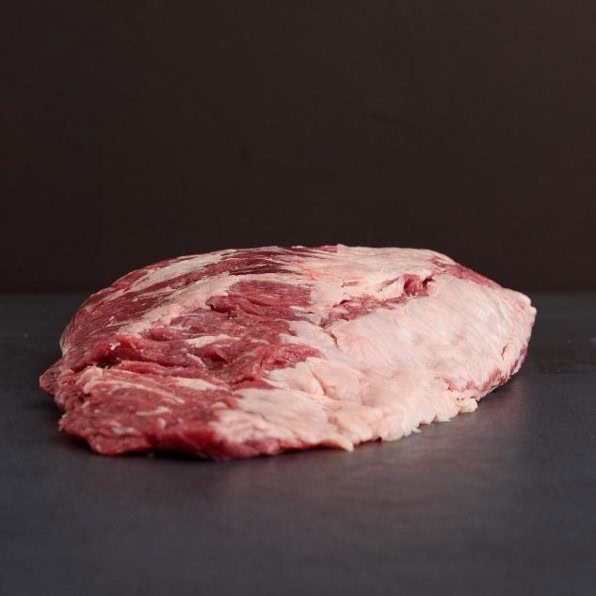
Flap Meat is a loose-grain cut from the bottom sirloin, with a natural combination of deep beef flavour, tenderness, and visible marbling. In regular beef, it’s often used for stir-fry or fajitas — but in Wagyu, it transforms into a top-choice BBQ cut, especially in the Japanese and Korean markets. Its grain structure makes it soft, juicy, and quick to absorb marinades, while the marbling ensures every slice is rich and satisfying.
- Flap Meat is in very high demand for Asian-style BBQ, especially Yakiniku and Korean BBQ, where it is sliced at 3–4mm thickness.
- It’s often chosen alongside Tri Tip and Chuck Flap as a must-have cut for wagyu BBQ trays and yakiniku menus.
- The meat has a great bite with a melt-in-the-mouth finish, making it ideal for both retail packs and restaurant menus, especially Izakaya-style dining.
Despite being lesser known to the general public, chefs and butchers rank it as a go-to BBQ cut for high-performing wagyu. Recommended Cooking Styles:
- Yakiniku / Korean BBQ (3–4mm sliced)
- Stir-fry or teppanyaki
- Flash-seared for donburi or tataki
- Marinade-friendly for fusion menus
- Quick-grill and slice across the grain
Rib

Scotch Fillet
Also Known As: Rib Fillet, Rib Eye, Scotch Steak, Cube Roll
Scotch Fillet is a well-known and popular steak cut, but in the world of Wagyu, it becomes something truly exceptional. Cut from the rib section (between the chuck and striploin), it offers outstanding marbling, tenderness, and deep flavour thanks to the unique qualities of Wagyu beef. When served with the rib bone attached, it’s known as:
- OP Rib (with a shorter rib bone)
- Tomahawk (with a longer, full rib bone)
Wagyu Scotch Fillet contains two distinct muscles, separated by a layer of ultra-soft, melt-in-the-mouth fat. This allows the diner to experience two different textures of Wagyu in one cut — a luxurious and memorable eating experience. Recommended Cooking Styles:
- Grill or BBQ
- Pan-seared steak
- Sous-vide with seared finish
Tomahawk
Also Known As: Bone-in Ribeye (with full rib bone)
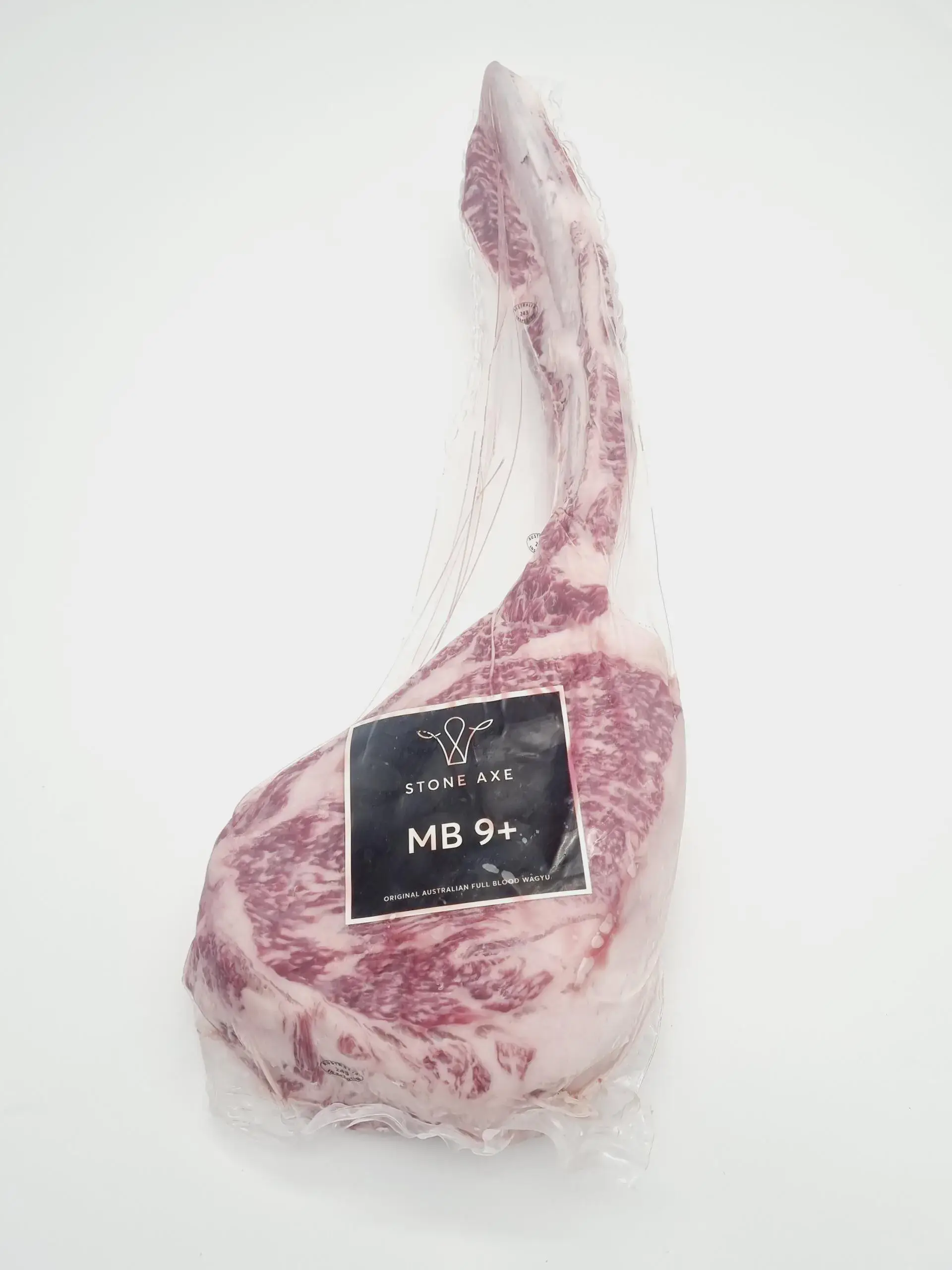
The Tomahawk is a Scotch Fillet (Ribeye) with the full rib bone attached, creating a dramatic and luxurious presentation. Taken from the rib section, it offers exceptional marbling, tenderness, and rich, savoury flavour — elevated by the bone which adds extra depth during cooking. Its long rib bone handle makes it one of the most iconic and impressive Wagyu cuts, ideal for special occasions and premium menus. Often called the “ultimate showstopper”, the Tomahawk is a cut that attracts attention — and appetite.
- The bone adds bold, savoury flavour, especially when cooked over charcoal.
- The meat between the bones, known as the intercostal, becomes beautifully crispy when grilled — and in my personal experience, it’s the tastiest part of the whole cut.
- With an average weight of around 2kg, it’s ideal for sharing between 4–5 people, making it perfect for larger groups or special events.
For chefs, it’s a premium centrepiece cut that works brilliantly as a shared main on upscale menus.
Jeffrey’s Tip
“When I cook a Tomahawk on the charcoal grill, I always go straight for the bone. That intercostal meat crisps up beautifully — it’s my favourite part. If you’re a BBQ lover, this is the cut to test your skills and enjoy the reward.”
— Jeffrey Hui, Founder of Lux Wagyu House


Rib Cap
Also Known As: Spinalis Dorsi, Ribeye Cap, Rib Crown
Rib Cap is the crescent-shaped outer muscle of the ribeye — known as the Spinalis Dorsi. It’s one of the most marbled, tender, and flavour-packed muscles on the entire carcass. In Wagyu, the Rib Cap delivers a melt-in-the-mouth experience with bold umami and buttery texture. This cut is highly limited, making it one of the most exclusive Wagyu offerings. Key Marketing Note:
- Regarded by chefs as one of the best-eating cuts of Wagyu
- Extremely high marbling and tenderness, with minimal connective tissue
- A favourite for BBQ and grill menus, especially when sliced 3–4mm for Yakiniku or teppanyaki
- Highly favoured by sushi chefs: o Ideal for Wagyu nigiri or Aburi sushi o Perfect shape for hand-formed sushi — uniform, clean, and presentation-ready o Requires minimal trimming before use, saving prep time while offering maximum impact
- Often used in tasting menus or as a chef’s cut, due to its richness and rarity
- Limited yield per carcass, making it one of the most exclusive Wagyu cuts available
This cut is designed for premium plate moments — whether over fire, or flame-torched on rice. Recommended Cooking Styles:
- Sushi Nigiri / Sushi Aburi
- Yakiniku / teppanyaki (3–4mm slice)
- Pan-seared or torched for tasting plates
- Sous-vide then seared
- Chef’s signature dishes


Short Rib Meat
Also Known As: Boneless Short Rib, Karubi Meat, Chuck Short Rib (if from shoulder end)
Short Rib Meat is cut from the rib plate section, prized for its intense marbling, juicy texture, and loose grain. In Wagyu, this becomes one of the richest and most indulgent cuts available, delivering a deep, beefy flavour with melt-in-the-mouth tenderness. This cut is known for its iconic marbling pattern, making it a standout both visually and on the palate.
- This is a very high demand cut in both Asian and Australian markets
- A must-have item for Yakiniku, Korean BBQ, and premium BBQ sets
- Sliced at 3–4mm, it offers perfect crisp edges and buttery centres when grilled
- Also, excellent when sliced thinner (1.5–2mm) for Shabu Shabu or Sukiyaki, where the fat renders quickly into the broth
- Regularly used in donburi, wagyu sliders, and fusion dishes, and commonly included in best-selling BBQ trays and restaurant tasting menus
- Frequently one of the first cuts to sell out due to its rich flavour and versatile usage
Whether grilled, simmered, or seared, Short Rib Meat consistently delivers the signature Wagyu experience in every bite. Recommended Cooking Styles:
- Yakiniku / Korean BBQ (3–4mm slice)
- Shabu Shabu or Sukiyaki (1.5–2mm slice)
- Grilled over charcoal or teppanyaki
- Pan-seared or torched for donburi
- Premium BBQ trays or wagyu sliders

Rib Blade Meat
Also Known As: Wedge Meat, Lifter Meat
Rib Blade Meat is a long, flat muscle layer located above the ribeye, trimmed from the outer surface of the rib primal. It has a distinct long grain and loose structure. While it’s considered a secondary cut for BBQ, it transforms dramatically when sourced from high-marbling Wagyu. In top-grade Wagyu, this cut develops exceptional marbling, resulting in a tender, melt-in-the-mouth texture when sliced thin.
- Often used as a backup BBQ cut if sliced thinner than 3mm, but lacks the structure of premium grilling cuts like Karubi or Tri Tip
- However, when it comes from high-marbling Wagyu (MB8/9+), it becomes one of the best options for Shabu Shabu or Sukiyaki
- Sliced at 1.5–2mm, it offers a visually stunning, highly marbled presentation with a soft, delicate bite that melts in broth
- Favoured by hotpot restaurants and premium retail packs for thin-sliced Japanese wagyu dishes
- Delivers excellent value and texture for thin-slice menus where fat distribution matters more than structure
This cut is best appreciated in hotpot or sukiyaki, where its rich marbling and tenderness can shine without overcooking. Recommended Cooking Styles:
- Shabu Shabu (1.5–2mm sliced)
- Sukiyaki (1.5–2mm sliced)
- Thin-sliced Yakiniku (only when <3mm and well-marbled)
- Hotpot packs and chef’s tasting trays

Intercostals
Also Known As: Finger Meat, Rib Fingers
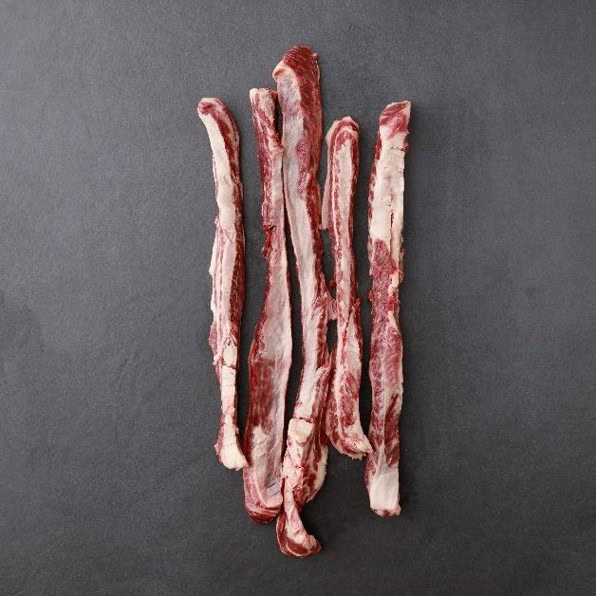
Intercostals are the thin, strip-like muscles located between the rib bones, often trimmed off when preparing short ribs or tomahawks. In Wagyu, these strips contain high levels of marbling, delivering an intensely rich, beefy flavour with a pleasantly chewy texture. They are small in size but bursting with umami, making them a chef’s favourite for charcoal grilling and flame-kissed dishes.
- Highly popular in Yakiniku and Korean BBQ, often served as short, bite-sized strips
- Best cooked over charcoal or gas grill, where the fat crisps and caramelises beautifully
- A favourite among BBQ enthusiasts for their juicy texture and flavour density
- Often referred to as the “hidden gem” of the rib section
- Can be marinated or grilled plain to showcase Wagyu fat flavour
- Also included in some premium Wagyu donburi bowls or skewered BBQ sets
- Requires minimal trimming and delivers big flavour in small portions
Despite being a smaller cut, Intercostals are in very high demand, especially in BBQ-focused restaurants and butcher shops offering BBQ packs. Recommended Cooking Styles:
- Charcoal or gas grill (quick sear)
- Yakiniku or Korean BBQ (marinated or plain)
- Skewered wagyu BBQ
- Torched for tasting plates or fusion dishes
- Donburi topping (grilled strips)

Karubi
Also Known As: Kalbi, Galbi, Karubi Plate
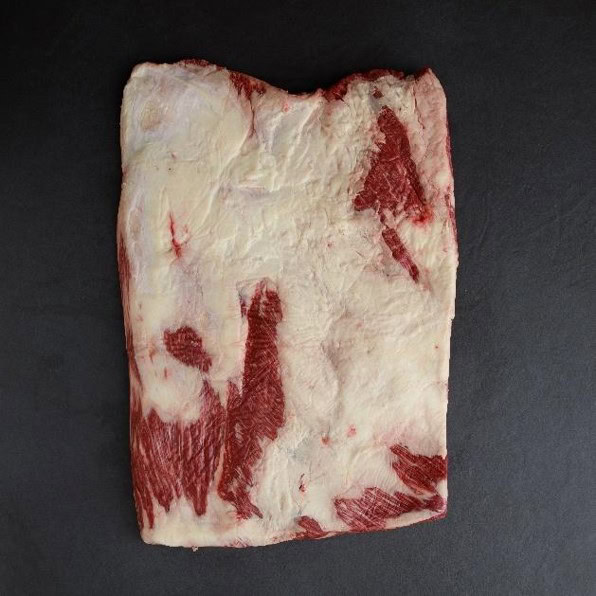
Karubi refers to a cut taken from the short plate or rib section, and is known for its bold marbling, loose grain, and deep Wagyu richness. In Korean and Japanese BBQ, it’s one of the most iconic and best-selling items, loved for its quick-grill performance and melt-in-the-mouth finish. While it can be sourced from different parts of the rib and plate area, what defines Karubi is its balance of meat and fat, and its sliced presentation, usually 3–5mm thick for yakiniku
- Considered an essential item for any Yakiniku or Korean BBQ menu
- Sliced thinly and grilled over charcoal, Karubi delivers a perfect caramelised edge with buttery marbled interior
- Wagyu Karubi offers a premium upgrade to standard Kalbi, with stronger umami, more visual marbling, and a richer mouthfeel
- Can also be marinated (like in Korean Kalbi dishes), or served plain to highlight natural Wagyu flavour
- Popular for BBQ party trays, restaurant grill sets, and retail sliced packs
Karubi is not just a cut — it’s an experience cut. It’s designed to satisfy grill lovers who want instant flavour with every quick-seared bite.
- Yakiniku (3–5mm thick slices)
- Korean-style Kalbi/Galbi (marinated, grilled)
- Charcoal or gas grilling
- Teppanyaki
- BBQ sharing trays
Rump and hind


Eye Round
Also Known As: Girello, Eye of Round
Eye Round is a lean, cylindrical cut taken from the hind leg, just above the shank. While it’s often overlooked in regular beef due to low marbling, Wagyu Eye Round offers surprising flavour and tenderness, thanks to its fine grain and natural Wagyu richness. Though it’s not to be confused with Eye Fillet and Chuck Tender, this cut delivers great value and consistent results when used properly. This cut is commonly used for roasting, but in the Wagyu world, it becomes versatile and elegant. It’s excellent for:
- Japanese Wagyu Tataki
- Wagyu Roast Beef Donburi
- Wagyu Carpaccio
These preparations take advantage of the cut’s lean structure and allow the Wagyu flavour to shine in thin-sliced or lightly cooked formats. Recommended Cooking Styles:
- Slow roast (whole)
- Sous-vide then seared
- Light sear (Tataki)
- Thin-sliced for Carpaccio or Donburi


Topside
Also Known As: Top Round
Topside is a lean, firm cut from the inner thigh of the hindquarter. In standard beef, it’s often used for roasts or slicing. But in Wagyu, the marbling adds tenderness and flavour, giving it a second life in a variety of applications that go beyond traditional roasting. It’s not a premium steak cut, but it’s practical and consistent — a great choice for hotpot, retail slicing, or creative chef-driven dishes. At Lux Wagyu House, Topside is the main cut used for our Wagyu burger patties and jerky, offering deep Wagyu flavour with a leaner profile. It’s also well-suited for:
- Roast beef (hot or cold)
- Wagyu Donburi
- Shabu Shabu and Sukiyaki (thin-sliced)
- Stir-fry
When sliced thin and lightly pounded, it becomes a perfect option for:
- Wagyu steak sandwiches (tender, quick-grill portions)
- Wagyu steak salads (light, flavourful, and easy to prepare)
This cut is a cost-effective and flexible option for restaurants or product development. Recommended Cooking Styles:
- Thin-sliced for Shabu Shabu / Sukiyaki
- Lightly pounded for steak sandwiches or salads
- Oven-roasted (sliced thin after resting)
- Cold roast beef or deli-style service
- Stir-fried or quick-seared if sliced correctly


Outside Flat
Also Known As: Silverside, Bresaola (when cured)
Outside Flat is a hindquarter cut, traditionally seen in Western markets as a lean, secondary option used for braising, roasting, or curing. However, in high-marbling Wagyu (MB8/9 or 9+), this cut can showcase surprisingly beautiful marbling, turning it into a premium choice for thin-slice applications. Despite its leaner muscle structure, the marbling in Wagyu-grade Outside Flat elevates its tenderness, mouthfeel, and flavour. During Wagyu training in Japan, it became clear that Outside Flat is one of the most preferred cuts for Shabu Shabu and Sukiyaki when sliced thin at 1.5–2mm thickness. Its balance of structure and marbling makes it:
- Easy to handle for hotpot slicing
- Rich in flavour without being overly fatty
- A consistent best-seller in our retail range, especially for hotpot customers
This cut proves that with premium Wagyu, even traditional “utility” cuts become high-end. Recommended Cooking Styles:
- Shabu Shabu
- Sukiyaki
- Yakiniku
- Slow-braised or roasted
- Cured meats (e.g., jerky, bresaola, biltong)


Heel Muscle
Also Known As: Heel of Round, Hind Shank Cap
The Heel Muscle is located at the lower part of the round, just above the hind shank. It’s one of the most collagen-dense and worked muscles on the carcass. In standard beef, it requires long cooking times — but in Wagyu, the fine marbling and quality fat soften the structure and bring out deep flavour with a shorter braising time. It delivers rich, silky textures and sticky collagen when slow-cooked, making it perfect for comfort dishes that benefit from slow rendering.
- One of the best cuts for slow braised dishes, soups, and curries
- Similar to Wagyu Shin Shank, but taken from the hind leg instead of the foreleg
- In Wagyu, the heel becomes melt-in-the-mouth tender in shorter time, without compromising on flavour
- Ideal for Japanese-style braised beef, curry, or stew, and widely used in Chinese or Korean hotpot-style simmered dishes
- Offers excellent gelatin and natural thickness for soup bases or rich sauces
- A great choice for chefs aiming to elevate comfort food menus with secondary cuts that perform like premium meat
Due to the heavy collagen and Wagyu marbling, this cut is often preferred by chefs who want depth and richness in slow-cooked applications. Recommended Cooking Styles:
- Braised (soy-based, miso, or wine-based)
- Japanese simmered dishes (Nikujaga, Kakuni-style)
- Wagyu curry or ragù
- Chinese-style beef tendon stew
- Soup base (slow simmer or pressure cooked)


Knuckle
Also Known As: Sirloin Tip, Round Tip
Knuckle is a hindquarter cut from the round, located just above the knee joint. It contains three distinct muscles, and while it’s often used for diced or sliced beef in standard cattle, Wagyu Knuckle offers improved flavour, tenderness, and marbling, especially at higher grades (MB8/9+). The Knuckle Heart, which is the centre muscle of the cut, stands out as an excellent steak option. With the right trimming and slicing, it delivers great tenderness and flavour, making it a hidden gem in the Wagyu range. Knuckle is highly versatile and suited for:
- Grilled steaks (from the Knuckle Heart)
- Roast beef or Tataki
- Diced meat for curry or donburi
- Minced Wagyu
This cut is perfect for chefs and butchers looking to create multiple Wagyu products from a single, cost-effective primal.


Rostbiff
Also Known As: Eye of Rump
Rostbiff is the main muscle of the rump, known for its robust flavour and refined texture. While it lacks the melt-in-the-mouth marbling found in other Wagyu cuts, it delivers distinctive Wagyu beef flavour and holds its shape beautifully during cooking. Unlike more heavily marbled cuts, Rostbiff is ideal for customers who prefer a leaner Wagyu experience — flavourful but not overly fatty. This cut provides chefs with a versatile block of meat that can be portioned to their preferred size, making it ideal for creative plating or customized dish formats. It’s also a practical and adaptable choice for kitchens looking to incorporate Wagyu into fusion or modern-style dishes. It’s not designed to highlight marbling, but rather to showcase the natural, clean flavour of Wagyu. Recommended Cooking Styles:
- Oven-roasting (whole or portioned)
- Sliced steak cuts
- Diced or cubed for stir-fry, stews, or donburi
- Pan-seared or grilled for leaner steak presentations
- Fusion-style dishes and chef-driven creations

D-Rump
Also Known As: Whole Rump (includes Rump Cap and Rostbiff)
D-Rump is a boneless cut prepared from the Sirloin Butt, with the abdominal muscles and excess fat removed. It includes both the Rump Cap (top portion) and Rostbiff (main muscle underneath), kept whole rather than separated. In standard beef, rump is known as an affordable cut with good flavour and moderate tenderness. However, in Wagyu, D-Rump delivers a completely different eating experience thanks to its marbling and fine texture. This cut is widely used in restaurants looking for a cost-effective way to serve two Wagyu dishes from one cut — offering both the richer, fattier Rump Cap and the leaner, more structured Rostbiff. It’s practical and versatile without compromising on quality.
- Popular with restaurants and foodservice buyers who want the flexibility to portion it themselves
- Allows chefs to create two different Wagyu experiences (cap and eye) from a single cut
- Delivers strong Wagyu flavour with varying textures — the cap offers tenderness and fat, the eye brings beefy chew
- Can be portioned into steaks, BBQ slices, roast blocks, or Shabu Shabu/Sukiyaki thin cuts depending on section and marbling
- A cost-effective alternative to ordering rump cap and rostbiff separately
- Common in restaurant prep, wholesale, and retail slicing environments
This is a smart, versatile cut that gives maximum control to the end user while delivering consistent Wagyu character.


Rump Cap
Also Known As: Wagyu Picanha
Rump Cap is derived from the top portion of the rump, continuing on from the Striploin and leading into the Tri-Tip. While it’s often seen as a secondary or affordable cut in standard beef, in Wagyu, it’s a premium and highly sought-after cut. With texture and marbling similar to Wagyu Sirloin, Rump Cap delivers a rich, tender bite without the tendon layer that is sometimes found in sirloin. Many chefs even consider it better than Sirloin for both flavour and texture. Known as Wagyu Picanha, this cut is a chef’s favourite — ideal for showcasing Wagyu’s balance of marbling and tenderness. It’s also relatively rare, with only two pieces per carcass, weighing around 2kg each. This rarity, combined with its eating quality, makes it a premium feature cut for menus and retail. Recommended Cooking Styles:
- Grilled steak
- Reverse sear or BBQ roast (smoked or chargrilled)
- Brazilian-style skewered BBQ (Churrasco)
- Oven-roasted whole and sliced to serve
Chuck and shoulder


Neck Roll
Also Known As: Neck Meat, Wagyu Neck
Neck Roll is a heavily worked muscle group taken from the cervical area between the chuck and the head. In standard cattle, it’s known as a tough, sinewy cut suited only for stewing — but in Wagyu, the natural intramuscular fat softens the texture and makes it a surprisingly rich and versatile option when cooked properly. This cut contains multiple small muscles, layered with connective tissue and marbling, producing deep beef flavour and gelatinous texture when slow-cooked. Key Marketing Note:
- Ideal for long braising, sous-vide, or slow-cooked wagyu ragù, where the collagen breaks down into rich, silky gelatin
- In Asian cuisine, it’s used in soy-based stews, Chinese-style braised beef, and Japanese curry
- Also excellent for shredded Wagyu meat dishes, bao, sliders, or gourmet fillings
- When taken from high-marbling Wagyu, the flavour and richness rival more premium cuts, especially in slow-cooked or shredded formats
- An underrated cut that offers exceptional value and deep flavour, often overlooked in favour of larger primals
- Consistent demand from chefs creating comfort food with a luxury twist
This is a cut that rewards time and technique, turning collagen and marbling into a gelatin-rich, flavour-packed experience. Recommended Cooking Styles:
- Braised (soy-style, red wine, or tomato-based)
- Sous-vide (12–24 hours)
- Shredded for bao, sliders, or wagyu pies
- Wagyu curry or stew
- Simmered beef donburi or noodle dishes


Chuck Eye Roll
Also Known As: Chuck Roll, Chuck Ribeye, Chuck Rib Roll
The Chuck Eye Roll is taken from the upper shoulder area, running between the neck and the ribeye. It’s made up of several muscles and is often seen as the transition zone between chuck and ribeye — with great marbling, firm texture, and rich beef flavour. In Wagyu, the Chuck Eye Roll can show very high marbling, making it suitable for both thin-sliced BBQ and Shabu Shabu, depending on the grade and section. Key Marketing Note:
- A versatile and highly usable cut with multiple end applications
- When marbling is high (MB8+), it’s perfect for Shabu Shabu or Sukiyaki when sliced at 1.5–2mm
- Also works well for Yakiniku or Korean BBQ, sliced at 3–4mm, offering a balance of flavour and bite
- Delivers a deep Wagyu flavour, with sections that feel like a more affordable ribeye
- A popular cut for restaurants looking for high marbling at a lower cost
- Can be further processed into chuck steaks, diced cubes, or even used for mince, depending on the end application
- Commonly used in BBQ packs, hotpot trays, or Wagyu donburi sets
This cut is ideal for both retail slicing and foodservice, offering flexibility, strong performance, and good value. Recommended Cooking Styles:
- Shabu Shabu / Sukiyaki (1.5–2mm slice)
- Yakiniku / Korean BBQ (3–4mm slice)
- Grilled steak portions (if cut thick)
- Hotplate or teppanyaki
- Cubed for donburi or wagyu curry


Chuck Tail Flap
Also Known As: Chuck Flap Tail, Zabuton (in Japan), Denver-style (when trimmed)
Chuck Tail Flap comes from the chuck roll, specifically near the rib end. It’s a heavily marbled, tender, and rich-tasting cut, making it one of the most prized secondary Wagyu cuts. The unique combination of soft texture and intense umami has earned it a strong following in the Japanese and Korean BBQ market. Despite being from the shoulder region, it has steak-like tenderness, thanks to its abundant intramuscular fat in Wagyu breeds.
- Often referred to as Zabuton in Japan, this cut is a top-tier Yakiniku item.
- Sliced at 3–4mm thickness, it performs perfectly on the grill — crisping at the edges while staying buttery inside.
- Chuck Tail Flap is a hero cut in Wagyu BBQ trays and one of the most requested cuts by chefs and wholesalers for Asian-style BBQ.
- Due to its shape and even marbling, it’s easy to portion into thin slices or bite-sized cubes.
This cut often surprises customers unfamiliar with it — delivering premium flavour at a lower cost than ribeye or sirloin. Recommended Cooking Styles:
- Yakiniku / Korean BBQ (thin-sliced or cubed)
- Charcoal grilling
- Teppanyaki or pan-sear
- Donburi topping or fusion BBQ dishes
- Wagyu skewers


Chuck Rib Meat
Also Known As: Chuck Short Rib Meat, Chuck Karubi, Chuck Plate Rib
Chuck Rib Meat comes from the rib section of the chuck primal, near the shoulder but extending into the upper rib plate. It features dense marbling, a loose muscle grain, and deep Wagyu flavour, making it a popular and flexible cut in both BBQ and hotpot settings. While slightly firmer than classic ribeye, Wagyu Chuck Rib Meat offers a rich and satisfying chew with fat that renders beautifully when grilled or simmered. Key Marketing Note:
- Commonly used in Yakiniku and Korean BBQ, especially when sliced 3–4mm thick — where it performs similarly to Karubi
- A very popular second-tier BBQ cut due to its affordability and visual marbling
- However, when taken from high-marbling Wagyu, it also performs exceptionally well in Shabu Shabu or Sukiyaki, especially sliced 1.5–2mm thick
- Delivers that signature Wagyu melt combined with a stronger beef bite
- A best-seller in BBQ packs, hotpot trays, and used widely in both restaurant and retail formats
- Often considered one of the most cost-effective ways to enjoy the rich flavour of Wagyu
This is a go-to cut for everyday Wagyu BBQ or hotpot menus, offering great flavour, versatility, and value. Recommended Cooking Styles:
- Yakiniku / Korean BBQ (3–4mm sliced)
- Shabu Shabu (1.5–2mm sliced)
- Sukiyaki
- Quick-grill donburi topping
- Stir-fried Wagyu rice or noodle dishes (if sliced thin)
Bolar Blade
Also Known As: Clod Heart
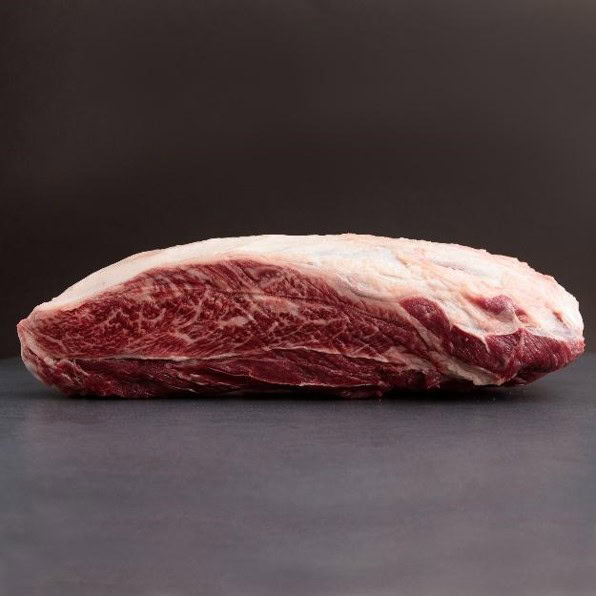
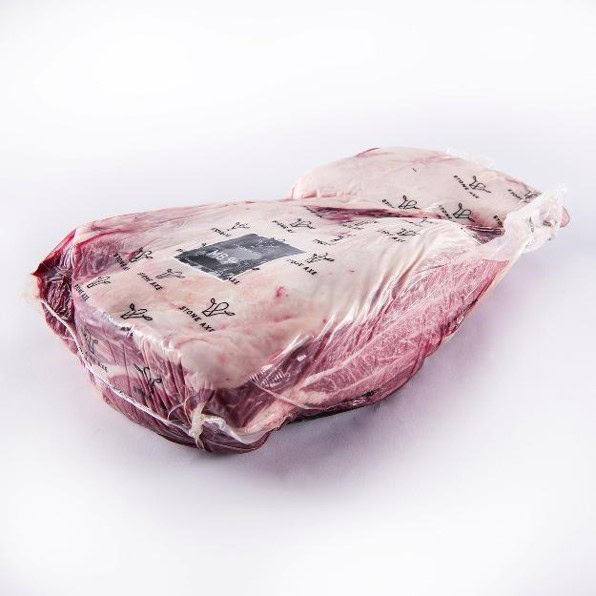
Bolar Blade is the central muscle of the shoulder clod, shaped like a compact roast with a tight grain. In Wagyu, this cut gains noticeable marbling, making it far more versatile than its leaner, standard-beef counterpart. Despite being from a working muscle group, the marbling in Wagyu Bolar Blade enhances its tenderness and flavour, especially when sliced correctly.
- In Asian cuisine, Bolar Blade is widely used for Shabu Shabu and Sukiyaki, where it is sliced thinly (1.5–2mm) to showcase its clean beef flavour and soft texture.
- In normal applications, it is suitable for low-and-slow roasting, braising, or sous-vide cooking where its grain and shape hold up well under gentle heat.
- Not ideal for cubing or stir-frying but performs well in thin-sliced or whole roast presentations.
Its uniform shape also makes it a favourite for retail slicing, hotpot trays, or portion control for foodservice Recommended Cooking Styles:
- Oven roast (low temp, rested and sliced)
- Braised whole roast (pulled or carved)
- Sous-vide then sliced for service
- Shabu Shabu (thin sliced)
- Sukiyaki


Oyster Blade
Also Known As: Flat Iron
Oyster Blade lies just below the shoulder blade and is famous for its intense marbling and rich, buttery flavour. In Wagyu, this cut transforms from a butcher’s secret into a premium BBQ and steak option, delivering incredible tenderness and umami despite being from the shoulder region. While it contains a line of sinew through the centre, it can be trimmed into Flat Iron Steaks — known for being second only to Tenderloin in tenderness, but with more flavour. Key Marketing Note: INTENSE MARBLING – THE BUTCHER’S SECRET
- Oyster Blade is highly regarded for its luxurious marbling, especially in Wagyu MB8/9+.
- It’s incredibly versatile: o Can be served as Flat Iron Steak o Thin sliced for Yakiniku or BBQ o Sliced for stir-fries o Or slow cooked as a whole piece
- Delivers a rich, juicy mouthfeel with a clean beef finish, making it a chef-favourite for both Western and Asian menus.
- Offers premium steak quality at a more affordable cost, perfect for retail packs or restaurant portions.
Recommended Cooking Styles:
- Grilled or seared as Flat Iron Steak
- Yakiniku (3–4mm thin slices)
- Stir-fry or hotplate dishes
- Braised whole
- Sous-vide then grilled
Plate, flank and brisket

Thick Skirt
Also Known As: Hanger Steak, Hanging Tender, Kidney Skirt
Description: Thick Skirt, also known as Hanger Steak, is a rare and flavour-packed cut that hangs between the diaphragm and kidney. It has a loose grain and soft texture, delivering a strong, savoury beef flavour with a juicy chew — and in Wagyu, it becomes incredibly tender and marbled. This cut offers one of the boldest eating experiences, often favoured by chefs who value flavour over fame.
- Only one per carcass, making it a highly limited, sought-after cut
- In Wagyu, it combines umami depth with buttery tenderness
- Ideal for grilling whole or thin-sliced Yakiniku (3–4mm)
- Frequently used in premium BBQ and modern steakhouse menus
- Chef Macbeth (@chef_macbeth), head chef of Next Door, is one of the chefs known for working with this cut — using it to highlight rich beef flavour in contemporary Australian cuisine
- Also featured in steak sandwiches, wagyu donburi, and chef’s tasting menus
This is a butcher’s and chef’s cut, made for those who know exactly what they’re looking for — flavour, texture, and rarity. Recommended Cooking Styles:
- Grilled whole, then sliced (medium-rare)
- Yakiniku-style thin slice (3–4mm)
- Pan-seared or BBQ (rested and sliced against the grain)
- Wagyu steak sandwich or donburi
- Sous-vide then seared for perfect tenderness

Thin Skirt
Also Known As: Arrachera, Skirt Flap, Outside Skirt
Thin Skirt is a long, narrow cut from the plate section of the animal, known for its loose, open grain and strong beef flavour. It’s commonly used in Latin cuisines — especially in Mexican grilling as Arrachera — but in Wagyu, the marbling turns it into a rich, juicy, and tender BBQ favourite. While it retains a slightly chewy texture, the Wagyu fat content balances this with melt-in-the-mouth satisfaction.
- Highly responsive to marinades, but often served unseasoned in Wagyu to let the natural flavour shine
- A favourite in Mexican, Korean, and Japanese BBQ menus
- Best when sliced thin (3–4mm) and grilled quickly at high heat
- Loose grain absorbs seasoning or sauce well, making it perfect for fusion and street-style dishes
- A popular cut for retail BBQ trays, chef’s grill sets, and premium Yakiniku menus
- Delivers big flavour in a short cook time, ideal for BBQ lovers and busy kitchens
- Can be served whole, sliced across the grain, or even used in premium Wagyu tacos or donburi
- In Australia, often used by chefs wanting a flavour-forward, less conventional Wagyu cut
Recommended Cooking Styles:
- Yakiniku / Korean BBQ (3–4mm sliced)
- Charcoal grilled whole, then sliced across the grain
- Wagyu Arrachera (Mexican-style grilled skirt)
- Wagyu tacos, wraps, or BBQ rice bowls
- Pan-seared or griddle-fried


Brisket Deckle
Brisket Deckle is the fattier, upper portion of the brisket — also referred to as the point end. Known for its loose grain, intense marbling, and bold Wagyu flavour, this cut becomes incredibly juicy and tender when grilled or slow-cooked. In Wagyu, the deckle offers a buttery mouthfeel, with fat that crisps at the edges and melts in the centre — delivering pure umami satisfaction.
- This is an extremely rare cut, with only about 20kg available from 15 Wagyu bodies, making it highly exclusive and difficult to source in volume
- Considered a must-have cut for Yakiniku, where it is sliced thinly (3–4mm) and grilled quickly over charcoal to highlight its marbling and texture
- Also used in premium BBQ menus, braised dishes, and luxury fusion items like bao, sliders, and toasties
- Its richness makes it ideal for small-portion tasting plates or chef’s choice wagyu flights
This is a cut for connoisseurs — rare, indulgent, and highly memorable. Recommended Cooking Styles:
- Yakiniku (3–4mm sliced, grilled quickly)
- Japanese BBQ or teppanyaki
- Smoked brisket point (low & slow)
- Sous-vide then grilled
- Pulled beef for bao, sliders, or donburi


PE Brisket
PE Brisket Deckle Off is the flat portion of the brisket, taken after the fattier deckle (point end) is removed. In high-marbling Wagyu (MB8/9+), this cut is far from lean — instead, it offers beautifully fine marbling throughout the muscle, giving it juiciness, softness, and full-bodied flavour even in long cooks. It’s even thickness, tight grain, and rectangular shape make it a top-tier choice for BBQ professionals and competition teams.
- A premium brisket cut for Texas-style BBQ, known for producing excellent bark and juicy interior slices
- Widely used in BBQ competitions, where precise control and consistent cooking matter — this cut delivers both
- While leaner in standard cattle, Wagyu PE Brisket Deckle Off is marbled throughout, making it both tender and flavour-packed
- BBQ lovers choose this cut for long smokes where clean slicing and visual marbling impress both judges and guests
- Not suited for sandwiches or toasties — this is a hero cut that should be sliced and served as a main
This cut is a professional favourite, and one of the most reliable brisket options for those who take their BBQ seriously.
- Texas-style smoked brisket (low & slow)
- BBQ competition use
- Sous-vide then smoked/charred
- Sliced brisket plates or BBQ sets
- Catering and BBQ platters


Inside skirt
Inside Skirt is a long, flat, and thin cut from the diaphragm area, prized for its loose grain and bold, beefy flavour. In Wagyu, this cut often comes with unexpectedly high marbling, turning it into a premium BBQ option while retaining its signature bite. Its shape, grain, and marbling make it perfect for quick, high-heat cooking — ideal for customers and chefs who want maximum flavour in minimal time.
- Popular in Korean BBQ and Japanese Yakiniku, typically sliced 3–4mm thick.
- Offers crispy edges and juicy centre when grilled over charcoal.
- Perfect for quick-sear dishes, retail BBQ trays, and premium skewers.
- Its strong flavour and satisfying chew make it a go-to cut for experienced BBQ lovers.
Though lesser known to everyday consumers, this cut is a top-seller in the professional BBQ and hotplate space. Recommended Cooking Styles:
- Yakiniku / Korean BBQ (thin-sliced)
- Charcoal grilling
- Arrachera (Mexican-style grilled steak)
- Stir-fry or donburi topping
- Wagyu skewers


Flank Steak
Also Known As: Bavette
Flank Steak is a long, flat muscle taken from the abdominal area of the animal, just below the loin. It has a distinct coarse grain and rich beef flavour. In standard beef, it’s known for being lean and fibrous — but in Wagyu, the high marbling transforms it into a premium-grade grilling cut. Wagyu Flank still retains a bit of bite, but the marbling softens the texture, resulting in juicy, flavourful slices when cut across the grain.
- Highly popular in Japanese and Korean BBQ, often sliced at 3–4mm thickness.
- Known for its long shape, it’s perfect for grilled slicing, retail tray presentation, and sharing plates.
- Bavette is a chef-favourite cut due to its balance of flavour and marbling — ideal for customers who prefer a stronger beef taste with a clean bite.
This cut is also commonly used in Yakiniku, Teppanyaki, and premium stir-fry dishes, making it versatile across different cuisines. Recommended Cooking Styles:
- Yakiniku or Korean BBQ (3–4mm sliced)
- Charcoal grilling
- Pan-seared and sliced (served across the grain)
- Stir-fry or donburi
- Sous-vide then seared
Slow cook and specialty


Tail
Also Known As: Wagyu Oxtail, Beef Tail
Wagyu Beef Tail consists of vertebrae segments from the tail, each surrounded by connective tissue, collagen, and rich meat. While traditionally used in long stews and soups, the Wagyu version adds a luxurious depth of flavour and silky texture, thanks to its natural marbling and high-fat content. It’s a bone-in, slow-cook cut that becomes gelatinous, sticky, and deeply savoury when braised over time — a true comfort cut. Key Marketing Note:
- A highly prized cut for soups, stews, and braised dishes
- In Wagyu, the fat content and collagen levels are even higher, resulting in ultra-rich broth and buttery meat texture
- Perfect for dishes like: o Japanese-style Wagyu oxtail soup o Korean Kkori Gomtang (tail bone broth) o Braised oxtail in soy, red wine, or tomato-based sauces
- Requires low and slow cooking, but rewards with gelatin-rich texture and unbeatable depth of flavour
- Often served in premium Asian restaurants or sold to customers seeking nutrient-rich, slow-cooked luxury dishes
- Also used to create Wagyu bone broth, with excellent results from the tail’s natural fat and marrow content
Due to limited supply (only one per carcass), it’s a rare and sought-after part of the Wagyu animal. Recommended Cooking Styles:
- Slow braised (soy, tomato, wine)
- Korean-style bone soup (Kkori Gomtang)
- Japanese oxtail soup
- Oxtail curry or stew
- Slow-cooked bone broth base

Wagyu Beef Cheek
Also Known As: Cheek Meat, Ox Cheek
Wagyu Beef Cheek comes from the facial muscle of the cow, a heavily worked area that’s naturally full of connective tissue, muscle fibre, and collagen. While this cut is very firm in standard beef, Wagyu’s intense marbling and finer muscle structure turn it into a luxurious, melt-in-the-mouth cut when slow-cooked. The result is a gelatin-rich, sticky, and flavour-packed texture that elevates any dish it’s in. Key Marketing Note:
- One of the most prized secondary cuts for braising, slow roasting, or sous-vide cooking
- In Wagyu, the marbling and collagen render together, giving a silky, rich mouthfeel and deep umami
- Perfect for red wine braises, soy-based stews, curry, or Western-style plated mains
- A favourite among fine dining chefs for elevated comfort food and signature slow-cooked dishes
- Performs beautifully in both Australian-European cuisine and Japanese or Chinese-style braised applications
- Also popular for shredded beef cheek sliders, ravioli fillings, or plated centrepieces
Due to limited availability (only two cheeks per animal), it is often in high demand from chefs and restaurants who value its richness and texture. Recommended Cooking Styles:
- Braised (red wine, miso, soy, tomato-based)
- Sous-vide then seared or glazed
- Slow-cooked ragù or curry
- Shredded for bao, sliders, or stuffed pasta
- Japanese simmered beef cheek (Nikomi-style)

Wagyu Tongue
Also Known As: Gyutan (牛タン), Ox Tongue
Wagyu Tongue is a muscle-rich organ cut with a firm but delicate texture, highly valued in Japanese and Korean BBQ culture. In Wagyu, it becomes noticeably more tender and juicy, especially in the root (base) portion, where marbling is concentrated. The tongue is usually peeled, trimmed, and sliced thinly (2–4mm) for grilling. It crisps well over charcoal, while remaining juicy inside — a favourite for those seeking texture and subtle Wagyu richness. Key Marketing Note:
- A must-have item in traditional Yakiniku and Korean BBQ menus, especially when served as Gyutan
- Thinly sliced and grilled quickly, it offers a light, clean Wagyu flavour with satisfying bite
- In high-marbling Wagyu, the root of the tongue becomes extremely tender and prized for premium Gyutan service
- Often served with lemon juice, sea salt, or tare sauce, to highlight its natural flavour
- Also used in Gyutan donburi, skewers, or sliced for BBQ party trays
- Very limited per carcass, making it a rare and specialty offering, especially in retail BBQ trays or restaurant tasting menus
This cut is highly appreciated by true Yakiniku lovers, and chefs who focus on authentic Japanese grilling traditions. Recommended Cooking Styles:
- Yakiniku / Korean BBQ (2–4mm sliced)
- Whole roasted then sliced (for Gyutan don)
- Skewered and grilled
- Sous-vide tongue then charred
- Gyutan stew or simmered (root end)


Shin Shank (Boneless)
Also Known As: Boneless Shank, Shin Meat
Shin Shank (Boneless) is a cut from the lower leg of the animal, known for its deep flavour, rich collagen, and dense muscle structure. In standard beef, this cut is often tough and requires long cooking times — but in Wagyu, the natural marbling softens the texture significantly. This means Wagyu shin shank does not require extended braising times like conventional beef — it becomes tender and gelatinous faster, with a luxurious, silky mouthfeel.
- Perfect for slow-cooked dishes, but with reduced cooking time compared to standard beef shank
- Delivers a rich, beefy depth with melt-in-the-mouth softness and natural umami
- Ideal for Wagyu stew, ragù, curries, soups, and soy-based braised dishes
- A popular option in both Asian and Western comfort food menus
- On special request, we can provide a bone-in version commonly known as “Thor’s Hammer” Wagyu Shin Shank — a visually stunning, showstopper cut ideal for roasting or BBQ centrepieces
This cut is a favourite for chefs who want flavour, texture, and visual appeal — whether in classic bowls or dramatic plated dishes. Recommended Cooking Styles:
- Braised Wagyu shin (shorter cook time than beef)
- Wagyu curry or stew
- Slow-cooked ragù
- Bone-in Thor’s Hammer roast (special order)
- Japanese-style simmered beef